 +91-9972 9926 11 / 7676 8932 33
  contact@r2sgreenwave.com / eco@r2sgreenwave.com
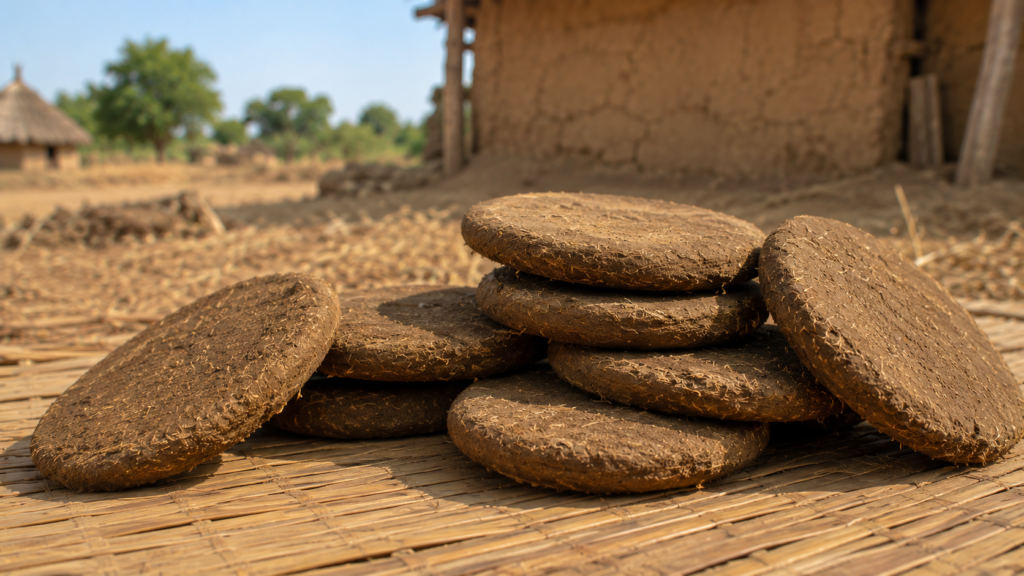
Cow dung cakes, also known as gobar cakes, are traditional fuel cakes made from dried cow dung. For centuries, they have been used in rural India as a practical natural fuel, while also holding an important place in traditional Indian household and cultural practices.
Today, interest in natural products, renewable biomass, and traditional sustainable practices has renewed attention on cow dung cakes as a simple example of how agricultural resources can be reused rather than di
What Are Cow Dung Cakes?
Cow dung cakes are formed by shaping fresh cow dung into flat, round or irregular cakes and allowing them to dry naturally, usually under sunlight. Once thoroughly dried, they become lightweight and combustible.
Traditionally called gobar cakes or gobar upla, these products are made using readily available agricultural material. Their production requires relatively simple methods and does not depend on sophisticated manufacturing equipment.
The appearance of a traditional cow dung cake can vary depending on the region, preparation method, drying conditions and the natural material mixed into it, such as crop residue.
How Are Cow Dung Cakes Made?
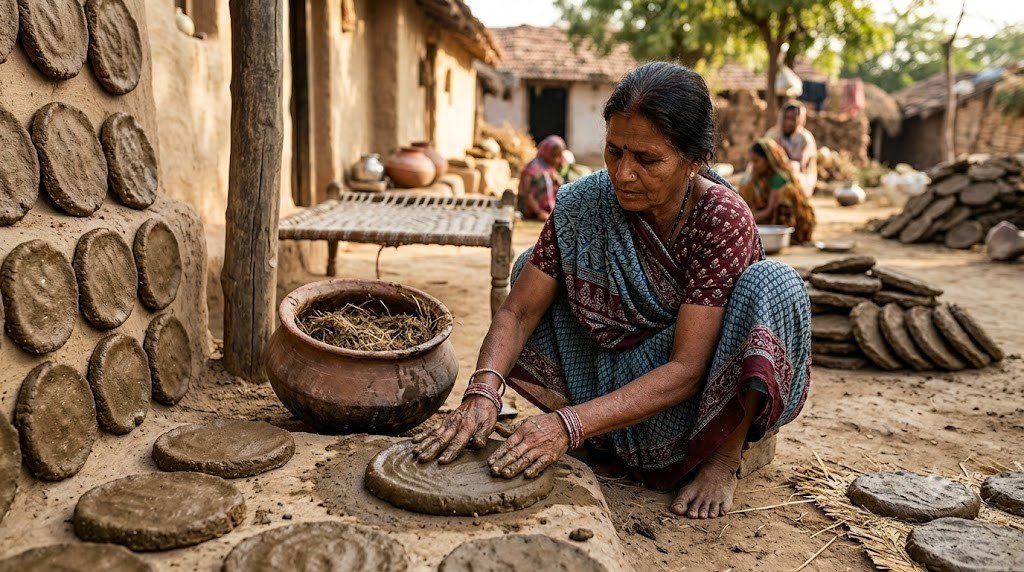
The traditional preparation of gobar cakes generally involves several basic steps:
- Collection: Cow dung is collected from cattle.
- Preparation: The material is mixed and prepared to achieve a workable consistency.
- Shaping: It is manually formed into flat cakes or other traditional shapes.
- Drying: The cakes are placed in sunlight and allowed to dry naturally.
- Storage: Fully dried cakes are kept in a dry, protected location until required.
Proper drying is particularly important because moisture can affect the burning characteristics and storage life of the product.
Traditional Uses of Cow Dung Cakes
Cow dung cakes in India have traditionally been associated with several applications.
Natural Fuel
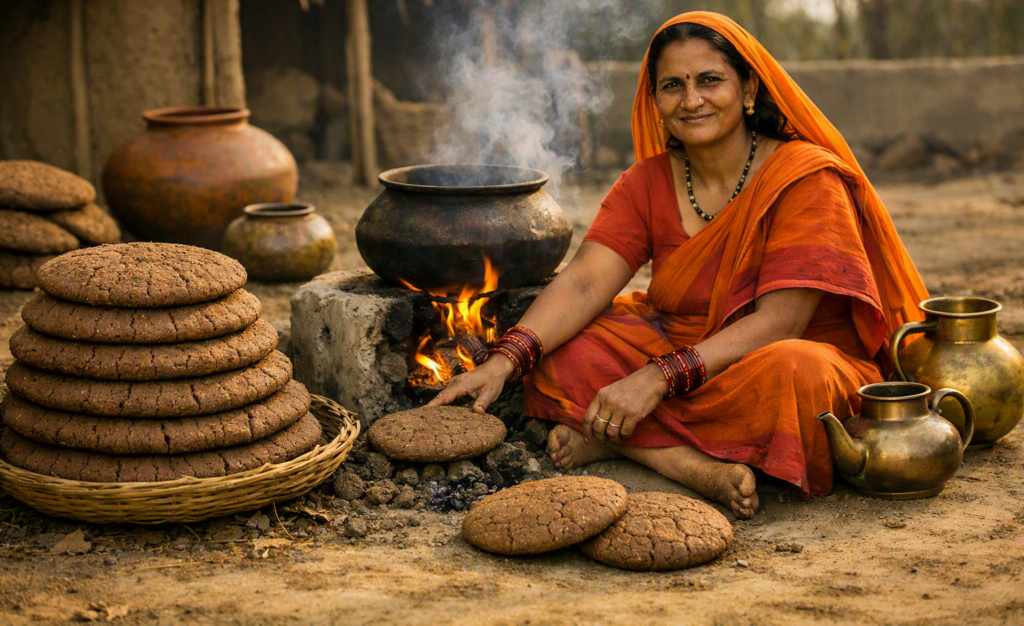
One of the best-known uses is as a traditional biomass fuel. Dried gobar cakes can be burned to produce heat and are commonly associated with rural cooking and heating practices.
Havan and Agnihotra
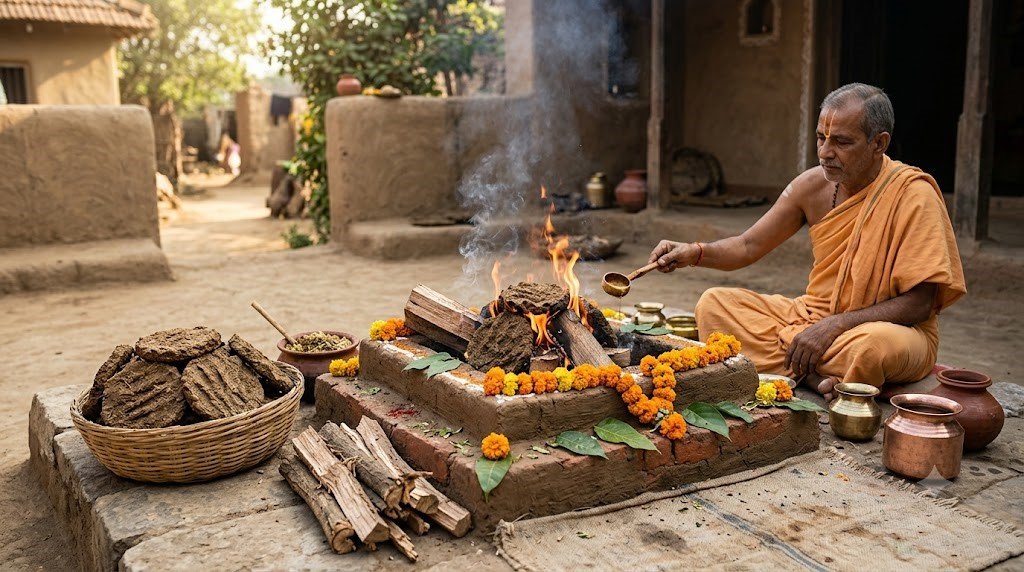
Cow dung cakes for Havan and Agnihotra are also used in certain traditional Hindu practices. Dried cow dung may form part of the combustible material used during ceremonial fire rituals.
Ayurvedic and Traditional Practices
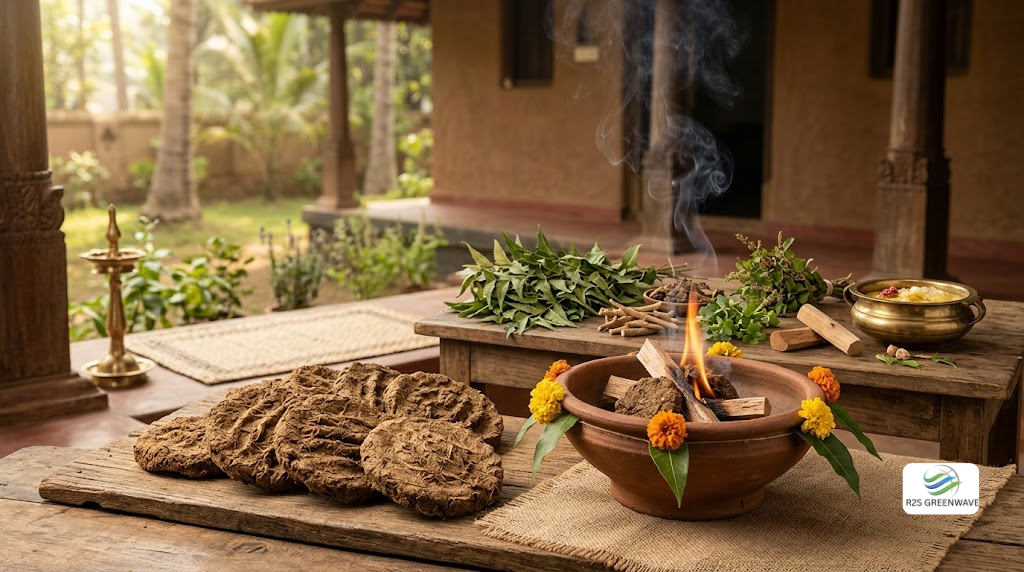
Cow dung has historically appeared in various traditional Indian practices, although specific uses and beliefs vary considerably by region and tradition. Such applications should be understood within their cultural and historical context rather than treated as modern medical claims.
Why Are Cow Dung Cakes Considered a Sustainable Product?
The sustainability appeal of cow dung cakes comes primarily from resource reuse. Instead of treating cattle dung solely as waste, traditional communities have found ways to convert it into a useful biomass resource.
When responsibly produced, natural cow dung fuel can support a circular approach to agricultural resources. It also represents a traditional form of biomass utilization that has existed long before modern discussions about the circular economy.
However, sustainability depends on factors such as sourcing, production practices, transportation, storage and the way the product is ultimately used.
Cow Dung Cakes for Modern B2B Markets
Growing international interest in natural Indian products has created opportunities for traditionally made products to reach specialized B2B markets.
For exporters, presentation and handling are important. Export-ready cow dung cakes should be properly dried, securely packed and protected from moisture during transportation and storage.
Potential buyers may include importers, distributors, specialty retailers and businesses seeking authentic Indian traditional products for appropriate cultural, agricultural or biomass-related applications.
Are Cow Dung Cakes Eco-Friendly?
Cow dung cakes can be considered a natural biomass product, but the environmental impact of any fuel depends on how it is produced and burned.
Their primary environmental advantage is that they make use of an existing agricultural resource. At the same time, burning biomass produces smoke and particulate emissions, so appropriate ventilation, local regulations and safe-use practices should always be considered.
Therefore, it is more accurate to describe gobar cakes as a traditional renewable biomass resource rather than making broad claims that they are automatically pollution-free or environmentally harmle
Conclusion
What are cow dung cakes? In simple terms, they are traditionally prepared and sun-dried cakes made from cow dung, primarily used as a natural biomass fuel and associated with several traditional Indian practices.
From rural household use to specialized international markets, cow dung cakes demonstrate how traditional knowledge can transform an agricultural by-product into a useful natural product. Their cultural significance, traditional production methods and potential role in resource reuse make them an interesting part of India’s natural-product heritage.
For businesses exploring authentic Indian natural products for export, properly prepared and packaged cow dung cakes offer an opportunity to connect traditional practices with modern B2B markets.